What is a Robot Coffee Shop and How Do They Work
In today's fast-paced world, the concept of a robot coffee shop is rapidly gaining popularity, merging the love for coffee with cutting-edge technology. These innovative establishments leverage automation to revolutionize the coffee experience, offering customers a unique blend of convenience and novelty. A robot coffee shop typically utilizes advanced robotics and artificial intelligence to prepare and serve a variety of coffee beverages, transforming traditional coffee-making processes.
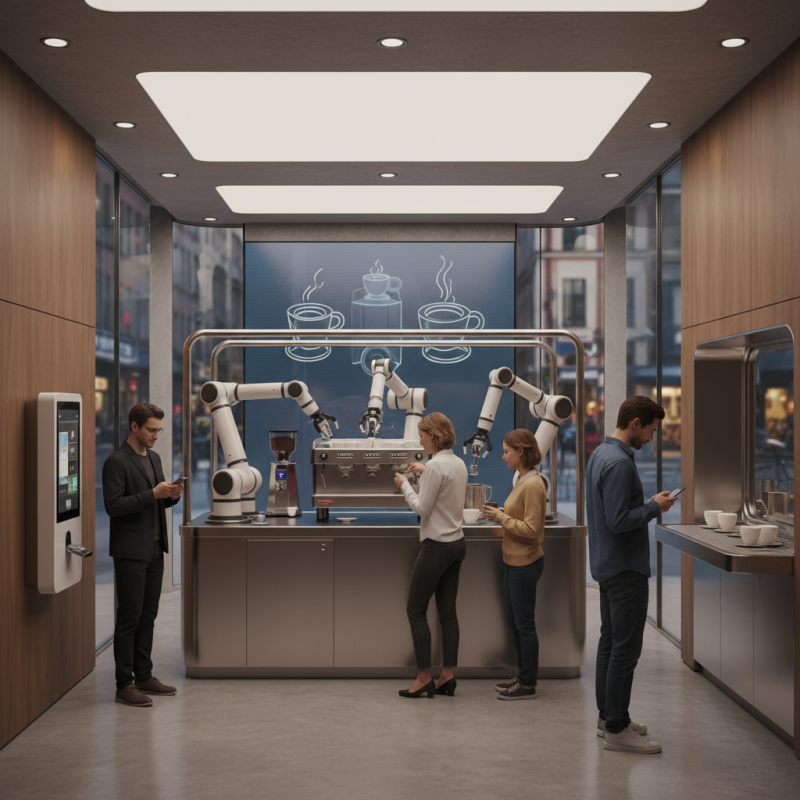
As patrons walk into a robot coffee shop, they are greeted not by human baristas but by sleek machines that expertly craft their orders with precision. This automation not only streamlines operations but also enhances efficiency, allowing customers to receive their drinks faster than ever before. Furthermore, the integration of technology ensures consistency in flavor and presentation, providing a reliable coffee experience that caters to the preferences of modern consumers. With the rise of robot coffee shops, the way we think about coffee culture is evolving, showcasing the exciting possibilities when culinary arts meet robotic innovation.
What is a Robot Coffee Shop? A Definition and Overview
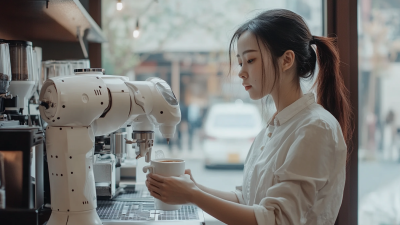
The concept of a robot coffee shop represents a compelling fusion of technology and consumer experience. At venues like the newly opened tech store in Taipei, patrons can enjoy coffee brewed by robotic arms, demonstrating advancements in automation within the coffee industry. This innovative shop not only reduces the workload on human employees but also enhances the shopping experience for customers by providing a glimpse into the future of retail.
The introduction of features such as facial recognition and automated coffee brewing systems signifies a growing trend towards digital transformation in convenience stores. These technologies allow for smoother transactions and personalized service, making visits more efficient and enjoyable. By leveraging such innovations, establishments aim to engage customers in unique ways, setting themselves apart in a competitive market while embracing the potential of robotics and artificial intelligence.
What is a Robot Coffee Shop and How Do They Work
| Feature |
Description |
| Automation |
Robot coffee shops use automated systems to brew, serve, and dispense coffee without human baristas. |
| User Interaction |
Customers interact with the coffee shop via touchscreen interfaces or mobile apps to place orders. |
| Types of Coffee |
Typically offer a range of espresso-based drinks, drip coffee, and specialty options. |
| Speed |
Robots can prepare and serve coffee drinks in under a minute, enhancing customer experience. |
| Location |
Often found in high-traffic areas such as airports, schools, and business districts. |
| Customization |
Customers can customize their drinks through the ordering interface, including milk types, sweeteners, and sizes. |
The Technology Behind Robot Coffee Shops: Automation and AI
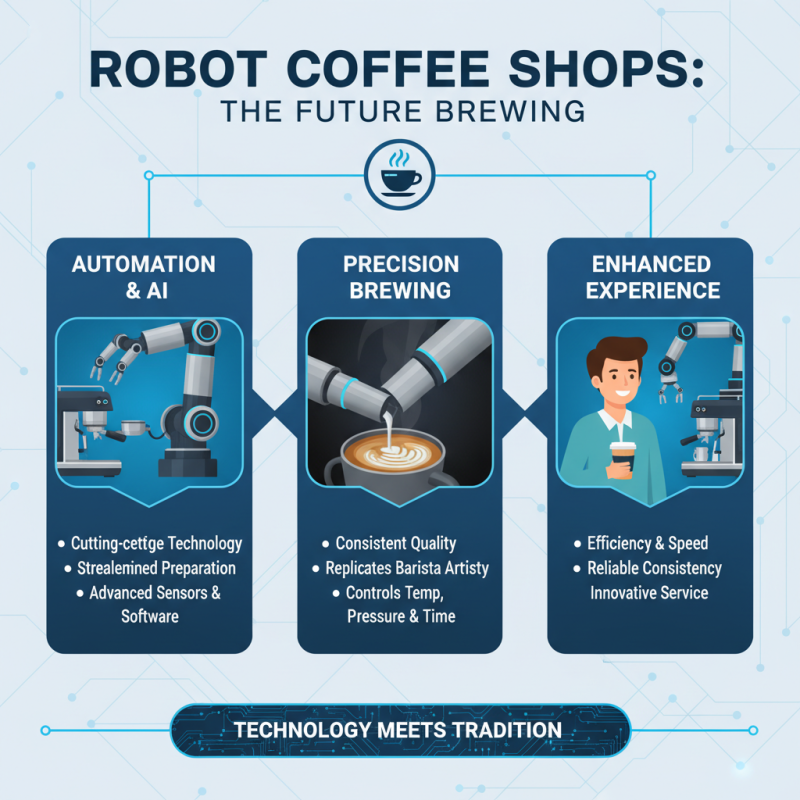
Robot coffee shops represent a fascinating intersection of automation and artificial intelligence, using cutting-edge technology to transform the traditional coffee experience. At the heart of these establishments is a sophisticated network of robotic systems designed to streamline every aspect of coffee preparation and service. These robots are equipped with advanced sensors and software algorithms that allow them to operate efficiently, ensuring consistency and quality in every cup. By precisely controlling temperature, pressure, and brewing time, these machines replicate the artistry typically associated with skilled baristas.
AI further enhances the functionality of robot coffee shops by enabling personalized customer interactions. Through data analytics and machine learning, these systems can learn individual preferences and make tailored recommendations. For instance, if a customer frequently orders a specific type of drink, the AI can remember this choice and suggest it upon their next visit. Additionally, robotic baristas can handle orders through voice recognition or mobile applications, making the process seamless and user-friendly. Together, automation and AI not only improve operational efficiency but also create a unique coffee experience that appeals to tech-savvy consumers.
Efficiency Metrics in Robot Coffee Shops: Speed, Quality, and Cost
Robot coffee shops are revolutionizing the beverage industry by leveraging automation to enhance operational efficiency. The primary efficiency metrics in these establishments include speed, quality, and cost. In terms of speed, robotic systems can prepare and serve beverages significantly faster than traditional baristas. These systems are programmed to optimize workflows, ensuring that each order is completed in minimal time, which not only satisfies customer demand during peak hours but also effectively increases overall sales volume.
Quality is another critical metric where robot coffee shops excel. Advanced algorithms and precise machinery enable robots to maintain consistent beverage standards, ensuring that every cup of coffee meets preset quality criteria. This reliability helps to build customer trust and loyalty, as patrons can expect their favorite drinks to taste the same with every visit. Additionally, the ability to accurately replicate complex drink recipes reduces human error, further elevating the overall quality of the offering.
Lastly, cost efficiency plays a vital role in the robot coffee shop model. By automating the coffee-making process, labor costs can be significantly reduced. Fewer staff are needed to manage the operations, and the robots can operate longer hours without fatigue, leading to increased productivity. Coupled with streamlined supply chain management, these factors contribute to a lower cost per cup, allowing for competitive pricing while maintaining profitability.
Customer Experience in Robot Coffee Shops: Data and Feedback Trends
The emergence of robot coffee shops is reshaping the way customers experience their daily caffeine fix. Feedback data from patrons reveals that many appreciate the efficiency and accuracy of robots in making coffee. Customers often report shorter wait times and consistently high-quality beverages, which enhances their overall satisfaction. The novelty of ordering from a robot also adds an element of fun, attracting tech-savvy consumers and those looking for a unique experience.
Moreover, customer feedback trends indicate a growing desire for personalization in these automated environments. While robots offer speed, customers still seek the human touch—such as tailored recommendations based on past orders. As a response, many robot coffee shops are integrating advanced algorithms that analyze data from previous purchases to suggest optimal drinks. This fusion of automation and personalization not only caters to customer preferences but also helps build loyalty, proving that even in a high-tech environment, understanding customer needs remains crucial.
Customer Experience Feedback in Robot Coffee Shops
Future Trends in Robot Coffee Shops: Market Growth and Innovations
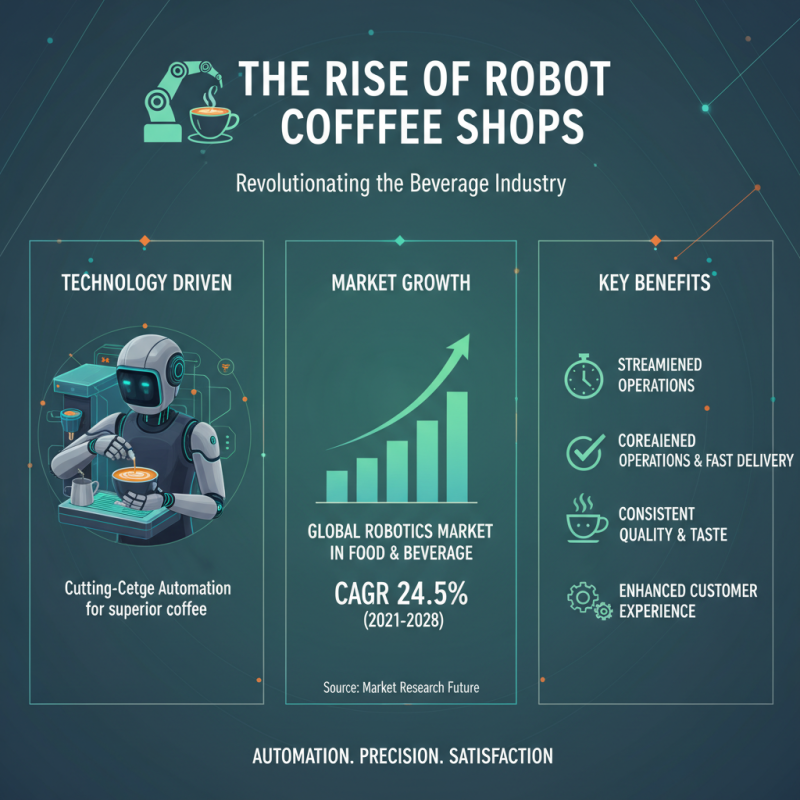
The rise of robot coffee shops is revolutionizing the beverage industry, leveraging cutting-edge technology to enhance customer experience and operational efficiency. According to a report by Market Research Future, the global robotics market in the food and beverage sector is projected to grow at a CAGR of 24.5% from 2021 to 2028, indicating a significant shift towards automation. These robotic systems not only streamline order processing and delivery but also ensure consistent quality, which is critical in maintaining customer satisfaction.
Innovations in this space extend beyond simple automation; emerging technologies like AI and machine learning are being integrated to personalize customer interactions. Companies like Cafe X and Robocups are utilizing machine learning algorithms to analyze customer preferences and optimize drink preparations. The investment in such technologies is substantiated by a report from Statista, which anticipates the market size of the coffee shop industry, including robotic and automated solutions, to reach $45 billion by 2024. This trend indicates a growing consumer comfort with automated services, paving the way for a new era in coffee consumption where speed and customization are paramount.